Discovering the Advantages of Rest Researches: A Guide to Improved Sleep High Quality
Sleep research studies supply a vital window right into the intricacies of sleep patterns and problems. They play a considerable function in diagnosing conditions like sleep apnea and sleeplessness. By assessing numerous physiological specifications, these analyses lead the means for customized treatment plans. The ramifications of enhanced rest prolong beyond rest, influencing cognitive feature and psychological health. Yet, the trip does not finish with a medical diagnosis-- recognizing the next steps is equally crucial.
Recognizing Sleep Disorders and Their Effect
Although many individuals might underestimate the importance of sleep, sleep conditions can profoundly impact overall health and wellness and wellness. These disorders, that include problems such as insomnia, rest apnea, and restless leg disorder, can bring about a selection of negative results. Chronic sleep deprivation can impair cognitive function, prevent memory retention, and increase the risk of psychological wellness concerns such as anxiousness and clinical depression. Additionally, people dealing with rest problems usually experience physical wellness difficulties, including heart disease, obesity, and diabetes. The influence of bad rest prolongs beyond the person, influencing connections and workplace productivity. Recognizing the severity of rest conditions is vital, as they can interfere with not just individual health and wellness however also social performance. Comprehending these conditions can result in better recognition and treatment options, inevitably promoting enhanced sleep quality and total health and wellness.
The Process of Going Through a Sleep Research Study
Going through a rest study entails a methodical evaluation of a person's rest patterns and behaviors to detect prospective rest conditions. The procedure commonly begins with an assessment, where a medical care expert gathers described info relating to the client's rest habits, clinical background, and any signs and symptoms experienced. This preliminary analysis helps figure out the necessity of a sleep research study.
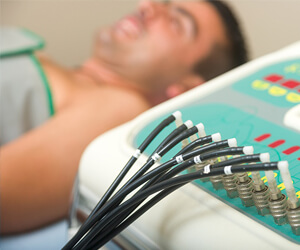
As soon as considered essential, the client routines an over night stay at a sleep laboratory or establishes devices in the house. Throughout the study, different physical criteria are kept an eye on, consisting of mind task, heart rate, and breathing patterns. Professionals might make use of sensing units and video cameras to observe the person's movements and general rest top quality.
After the study, the collected data is evaluated, enabling experts to recognize any kind of rest problems existing. The outcomes educate individualized therapy strategies targeted at boosting the person's rest quality, eventually improving their general health and wellness and wellness.
Kinds of Rest Studies and What They Determine
Rest research studies can be categorized into several types, each developed to determine particular aspects of sleep and diagnose various rest conditions. The most common type is polysomnography (PSG), which videotapes mind waves, oxygen degrees, heart rate, and breathing function throughout the night. This comprehensive study is important for diagnosing problems like rest apnea, narcolepsy, and uneasy legs syndrome.
Another kind is home sleep apnea testing (HSAT), which is much less intrusive and typically performed in the person's home - Sleep Study Bangalore. It mostly focuses on detecting obstructive sleep apnea by determining air movement, snoring, and blood oxygen levels
Actigraphy, a 3rd type, involves putting on a wrist gadget that tracks sleep patterns over time, giving insights into rest duration and top quality. Furthermore, several rest latency tests (MSLT) measure daytime drowsiness and are important in diagnosing narcolepsy. Each study kind plays a considerable duty in understanding and enhancing rest health and wellness.

Analyzing Rest Study Outcomes
After a sleep research study is conducted, the interpretation of outcomes ends up being essential in diagnosing sleep problems and directing therapy options. Medical care professionals examine various data accumulated during the study, consisting of sleep stages, duration, and any disruptions in breathing patterns. Secret criteria, such as the Apnea-Hypopnea Index (AHI) and oxygen saturation levels, supply understandings into conditions imp source like rest apnea or sleeping disorders.
The medical professional evaluates the frequency and intensity of disruptions, which can indicate the visibility of particular conditions. Rest style, reflecting the balance of rapid eye movement and non-REM sleep, is likewise analyzed to determine total rest top quality. Exact analysis requires thinking about the individual's clinical history, signs, and lifestyle factors. Inevitably, these outcomes not just inform the medical diagnosis but also shape personalized therapy strategies, making certain that clients obtain targeted treatments to enhance their sleep quality and overall health.
Actions to Boost Rest Top Quality After a Research
Once a sleep research study has actually been completed, individuals usually look for efficient methods to improve their sleep quality based on the searchings for. Developing a constant sleep timetable can aid control the body's internal clock, making it simpler to fall asleep and wake up refreshed. Developing a relaxing going to bed routine, including tasks such as analysis or meditation, can signal the body that it is time to relax.
Furthermore, optimizing the rest atmosphere is important; this includes keeping a comfortable room temperature level, minimizing noise, and guaranteeing darkness (Sleep Study Bangalore). Limiting display time before bed is additionally he said necessary, as blue light can hinder melatonin manufacturing. In addition, individuals should bear in mind their diet, staying clear of square meals, high levels of caffeine, and alcohol close to going to bed. Incorporating routine physical task during the day can advertise deeper rest at night. By implementing these approaches, individuals can substantially improve their general sleep top quality
Regularly Asked Concerns
Exactly how Long Does It Require To Arrange a Sleep Research?
Scheduling a rest research study generally takes one to 4 weeks, depending upon the clinic's schedule and the client's specific requirements. Factors such as insurance policy authorizations and medical analyses may additionally influence the timeline.
Are Rest Studies Covered by Insurance Coverage?
Sleep researches are frequently covered by insurance policy, but protection differs depending on the copyright and certain strategy. It is important for people to verify their insurance plan information to comprehend their financial obligations prior to organizing.
What Should I Give My Rest Research?
Participants must bring comfortable sleepwear, any type of essential medications, personal hygiene products, and a favored pillow or covering. In addition, they may consider bringing a list of concerns for the rest professional concerning the research procedure.
Can Kid Undergo Rest Studies?
Yes, children can undergo sleep researches. These studies are created to examine rest problems in pediatric patients, helping health care specialists create ideal therapy strategies to boost their total rest quality and wellness.
Is There Any Type Of Preparation Needed Before a Sleep Research?
Before a sleep research, people need to stay clear of high levels of caffeine, alcohol, and particular medicines. They might additionally be encouraged to preserve a routine sleep schedule and bring comfortable clothing, crucial things, and any type of needed medical records for the assessment.
Rest researches use a crucial home visit this website window right into the complexities of sleep patterns and problems. Undertaking a rest research entails a systematic examination of a person's rest patterns and behaviors to detect possible rest disorders. Rest research studies can be categorized right into several types, each created to determine specific facets of sleep and diagnose various rest problems. After a sleep research is carried out, the interpretation of outcomes becomes basic in diagnosing rest disorders and guiding therapy choices. Sleep style, reflecting the equilibrium of REM and non-REM rest, is likewise evaluated to determine total sleep top quality.